Your support can help young people on the Fylde Coast build on their swimming skills, train regularly and become part of a team. Explore the need, the club programme and practical projects we could develop with your organisation.
The people behind the case for support
Young people. Shared effort. A place to belong.
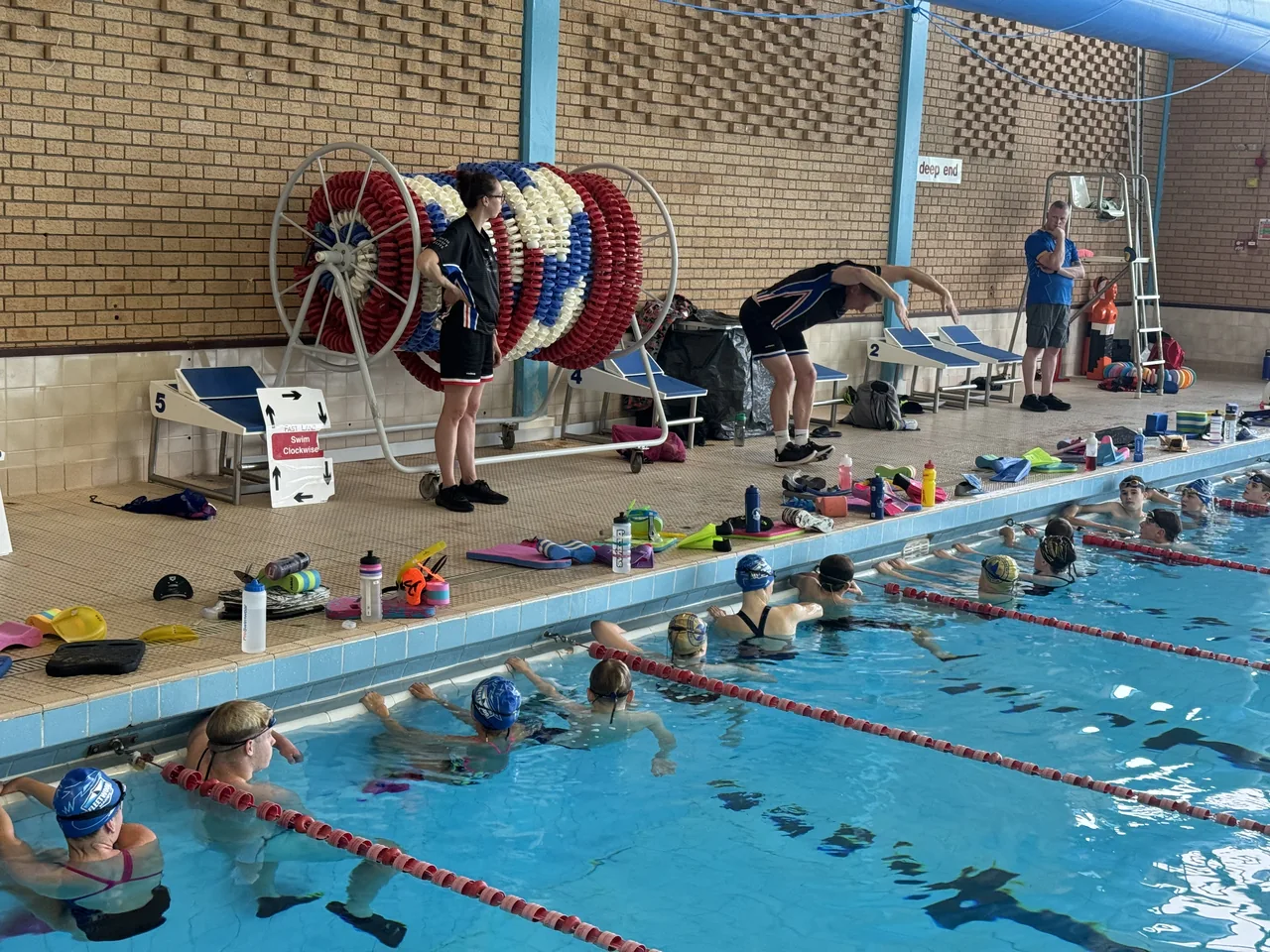
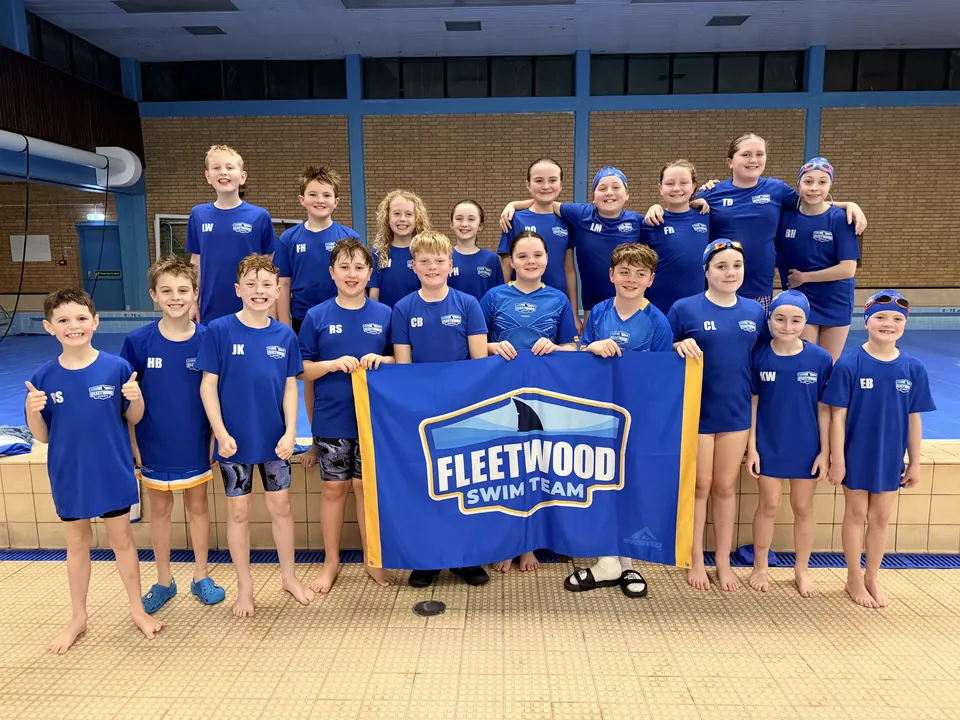
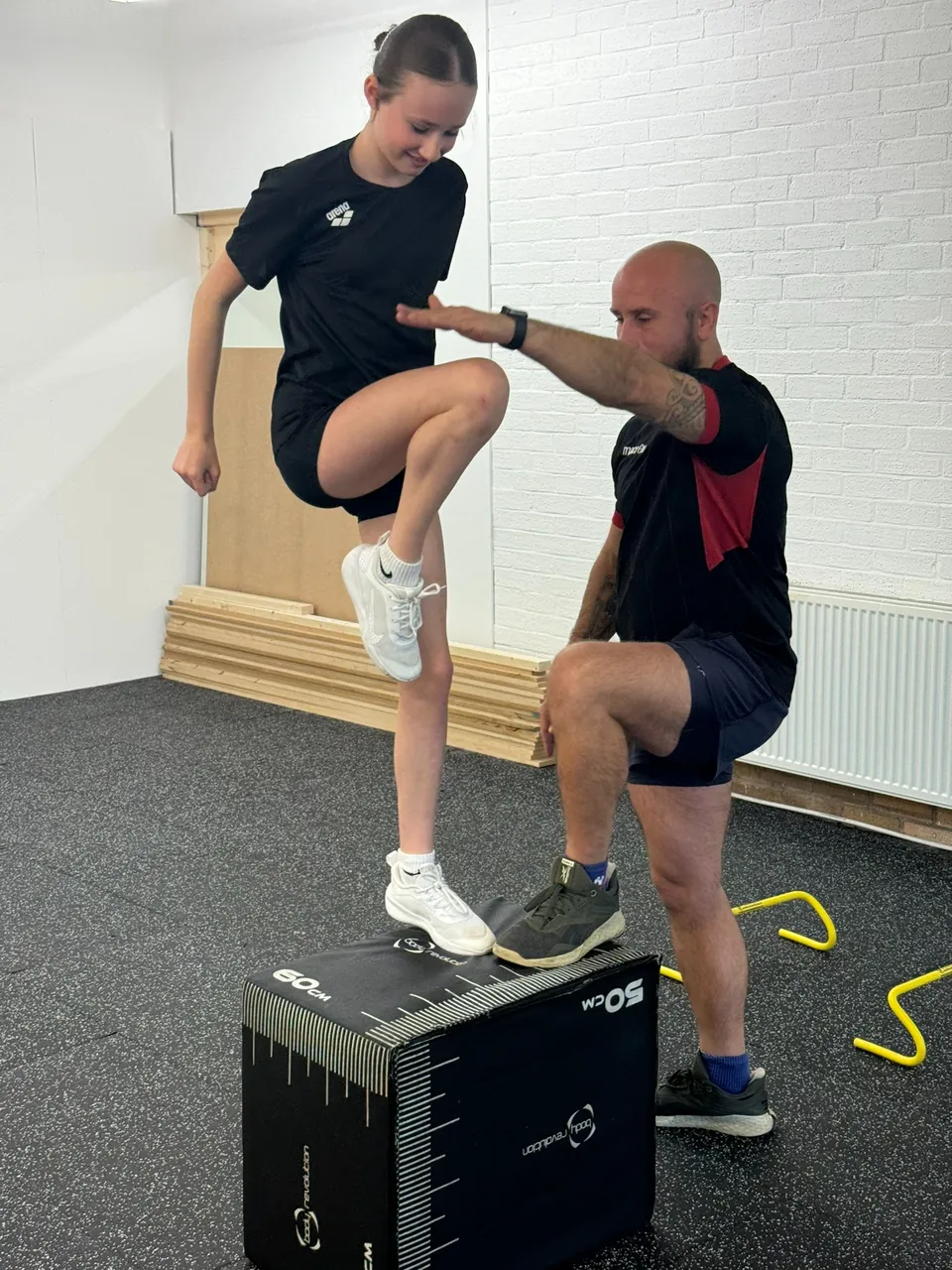
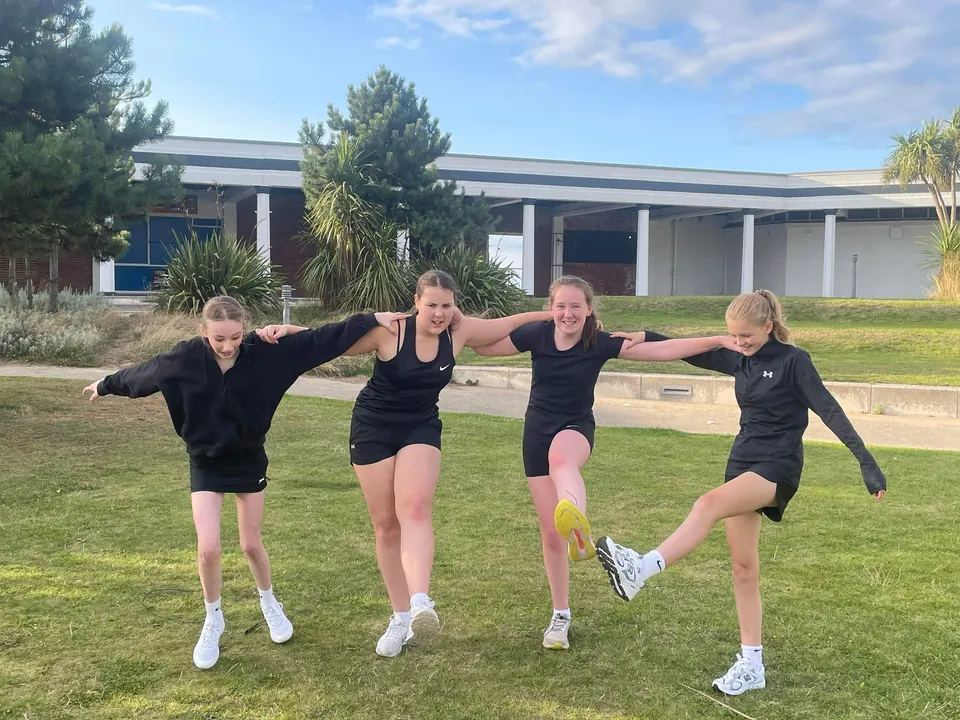
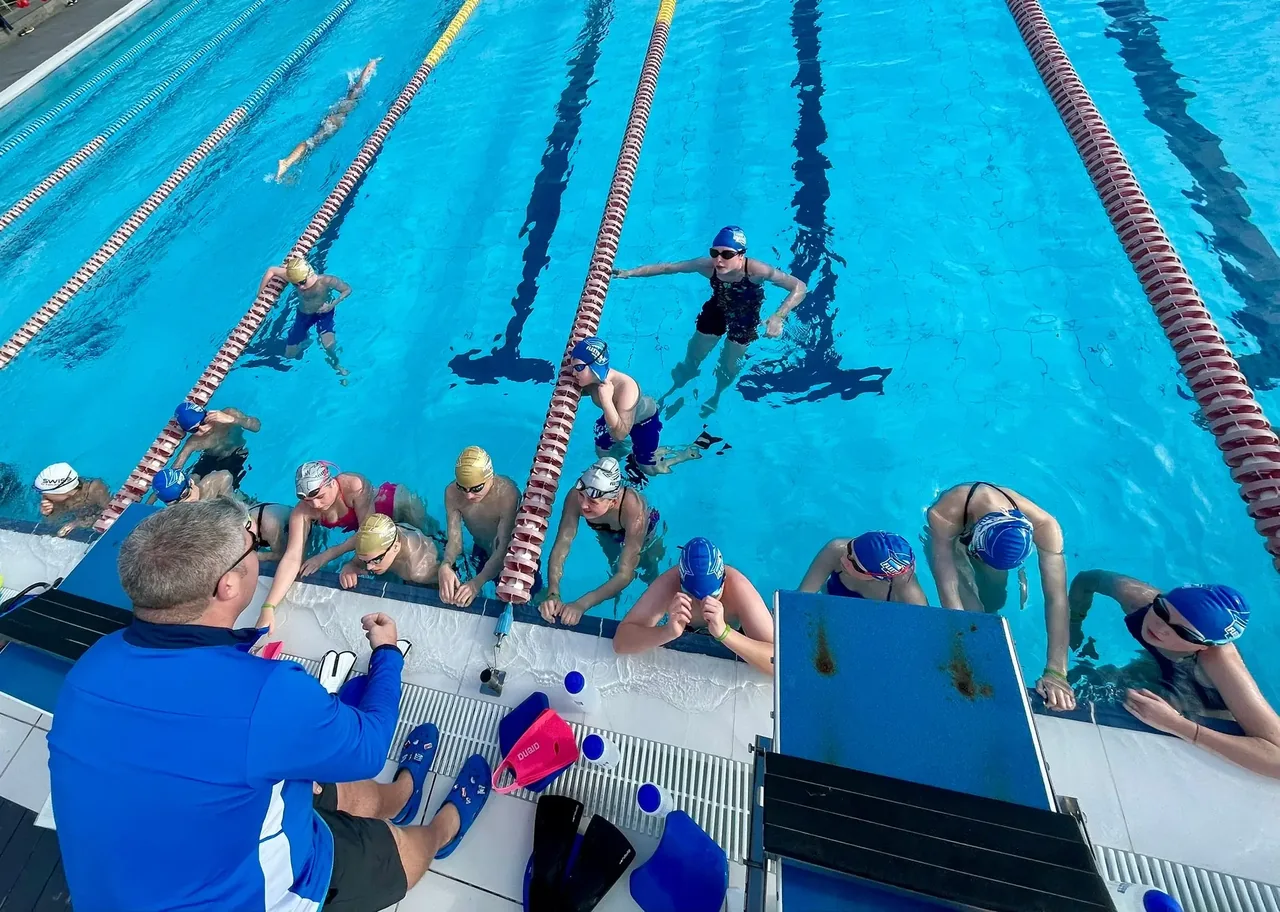
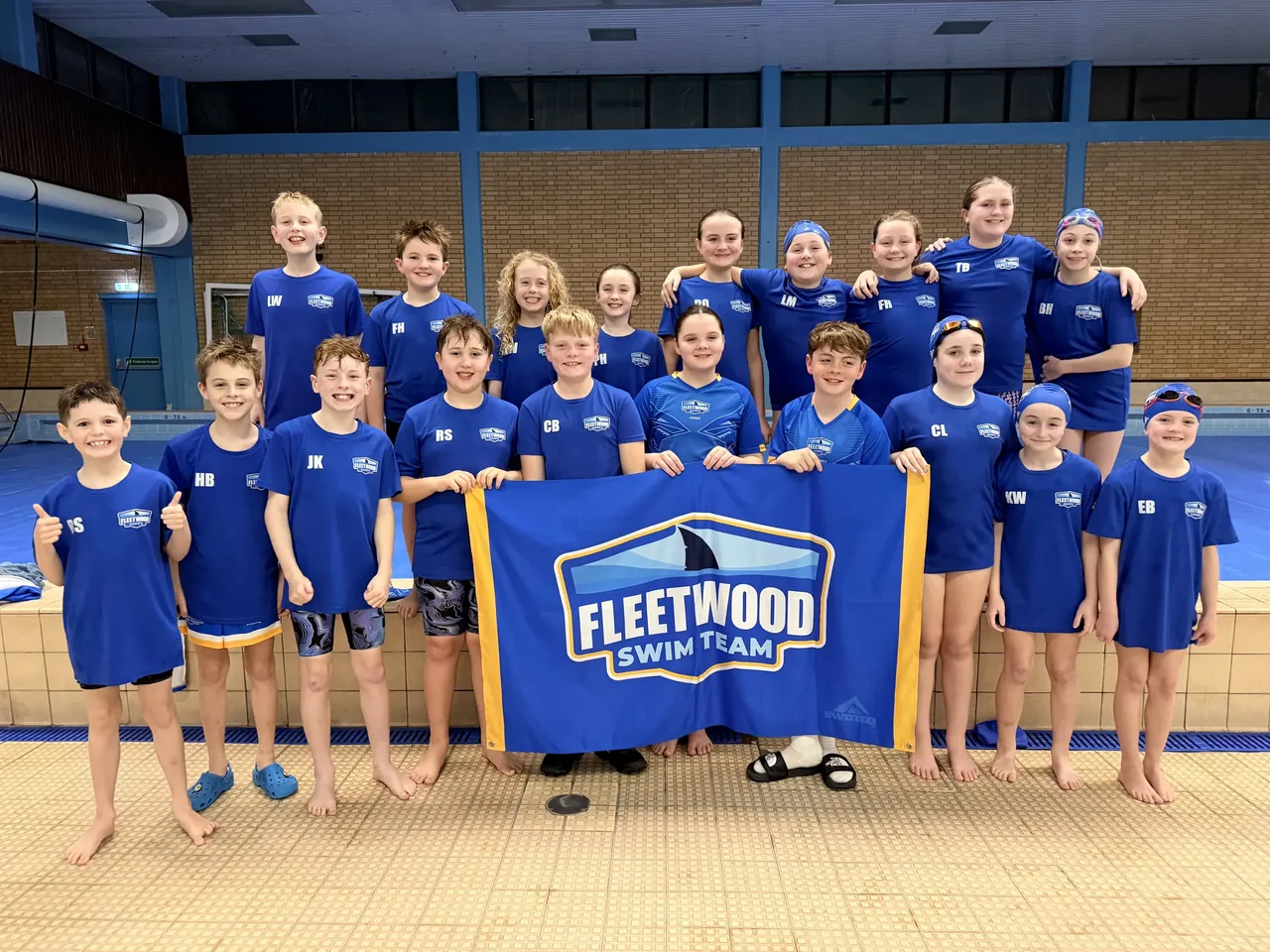
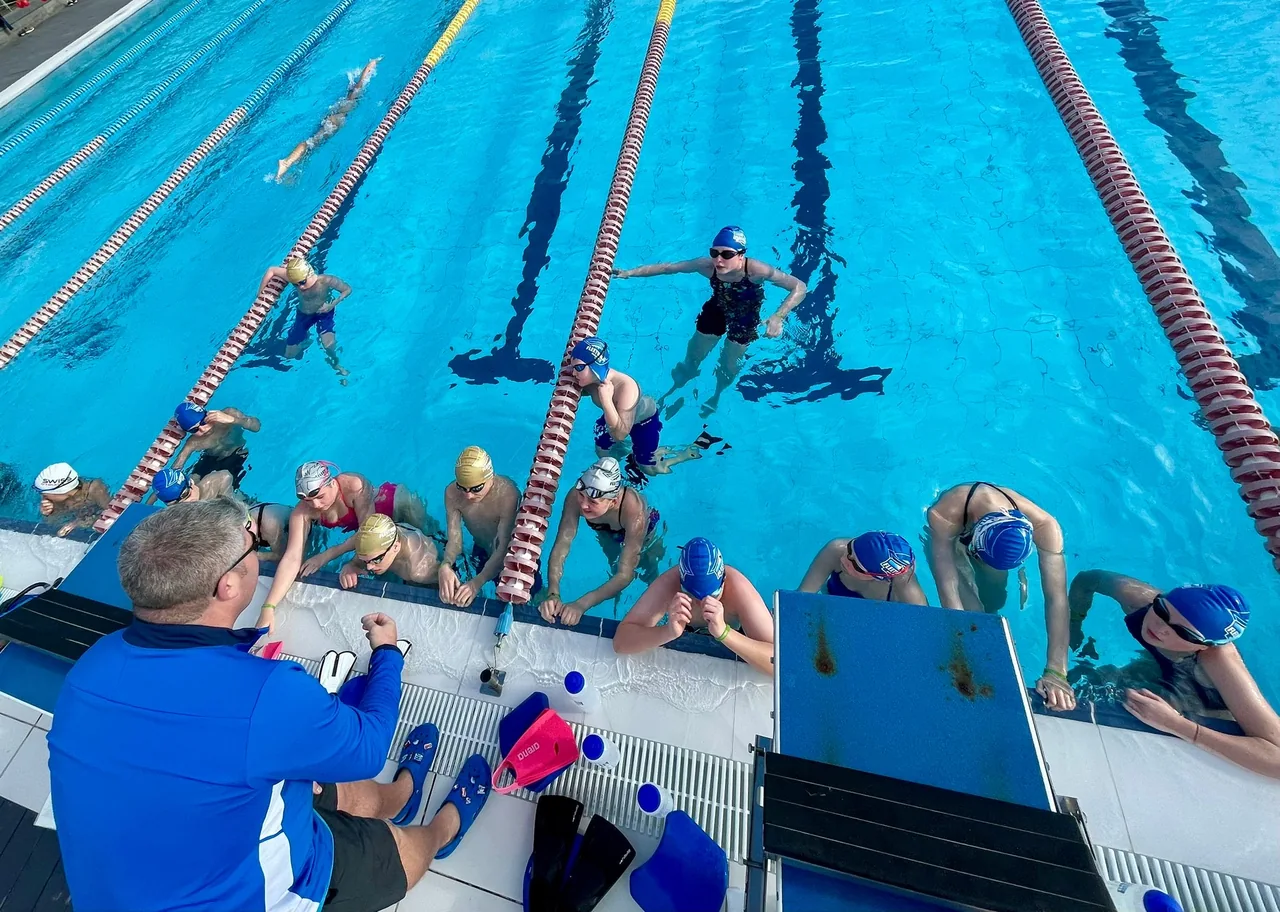
These are moments from our club: learning with coaches, enjoying time with friends and representing the Makos together. Support for the club helps sustain the programme around those experiences. The evidence below explains the wider need and the projects we could develop with you.
For a young person ready to move beyond lessons, a club offers somewhere to practise, receive feedback and share the experience with team-mates. Regular swimming and water polo give that progress a place in the week.
Support for coaching, equipment, participation and the people behind the programme can help make those opportunities possible. We would agree the purpose and practical details of each project with its supporters.
Our charitable purpose
Fleetwood Mako’s Aquatics Club became a registered association CIO on 1 September 2025. Our charitable purpose is community participation in healthy recreation through swimming, water polo and associated activities, primarily across the Fylde Coast and surrounding areas.
Our case for support focuses on regular participation, skill development and opportunities families can sustain. Competition is one way for athletes to use what they learn and work towards a goal within that wider purpose.
Fleetwood roots since 1974
Volunteer-led · registered charity 1214748
Coaching, practice and team-mates to develop alongside.
England · Active Lives Children and Young People · 2024/25
Swimming skills and opportunities are uneven.
National survey results show differences in reported swimming ability, alongside strong interest in swimming more often. They help explain why opportunities to keep learning matter; they do not measure demand for places at Mako’s.
Ages 5–16 · family affluence groups · 2024/25
Reported swimming ability differs by family affluence.
Least-affluent group
38%
Most-affluent group
83%
0%50%100%
38% in the least-affluent group report being able to swim 25m, compared with 83% in the most-affluent group.
How to read these figures for Reported swimming ability differs by family affluence.
Reported ability to swim 25m unaided in England, Years 1–11. Rounded from 37.51% and 83.25%. These are the survey’s Family Affluence Scale groups, not local income or club-membership figures. Years 1–2 are parent-reported; Years 3–11 are child-reported.
68% of responding secondary pupils say they would like to swim more often.
How to read these figures for Many secondary pupils would like to swim more.
67.69% of all responding secondary pupils in England said they would like to swim more often, including pupils who are not current swimming participants. The 100 squares illustrate the rounded percentage; they are not 100 surveyed Mako’s athletes.
Recent improvement has not closed the earlier gap.
2017/18
77%
2023/24
70%
2024/25
73%
0%50%100%
Year 7 reported 25m ability rose to 73% in 2024/25, but remained below 77% in 2017/18.
How to read these figures for Recent improvement has not closed the earlier gap.
Reported ability improved from 70% in 2023/24, but remains below 77% in 2017/18. These are three selected survey years, not a continuous downward trend. Percentages are rounded.
The skills to swim further need continued attention.
2017/18
49%
2024/25
44%
0%50%100%
44% of secondary pupils report being able to swim 200m, compared with 49% in 2017/18.
How to read these figures for The skills to swim further need continued attention.
Reported ability to swim 200m was 44.05% in 2024/25, compared with 48.88% in 2017/18. This secondary-school cohort is different from the Year 7-only comparison alongside it.
Year 6 leavers · 2024/25 · school-reported DfE returns
School returns also show a gap in attainment.
For 2024/25 Year 6 leavers, schools with the highest free-school-meal eligibility reported lower average swimming and self-rescue attainment than the national school averages. These figures cover state primary schools, excluding special schools, and come from a separate dataset from the survey above.
Average school-reported attainment · 25m swimming
Swimming 25m
National average
72%
Highest-FSM schools
55%
0%50%100%
A 17 percentage-point gap in reported attainment.
How to read these figures for Swimming 25m
BBC analysis of DfE school returns for 2024/25 Year 6 leavers, published 11 August 2026: average 25m attainment was 72% nationally and 55% at schools with the highest free-school-meal eligibility. These are averages across schools, not an established pupil-weighted rate.
Average school-reported attainment · safe self-rescue
Safe self-rescue
National average
70%
Highest-FSM schools
50%
0%50%100%
A 20 percentage-point gap in reported attainment.
How to read these figures for Safe self-rescue
The same analysis found average self-rescue attainment of 70% nationally and 50% in the highest-FSM schools. This does not measure Mako’s outcomes or imply that competitive swimming alone guarantees self-rescue or open-water safety.
The government’s swimming and water-safety expectations
Swimming confidence includes more than distance.
The primary PE curriculum includes swimming 25m, using an effective range of strokes and performing safe self-rescue. Secondary PE encourages links with community sports clubs, giving young people routes to continue developing beyond those foundations.
Activity levels across Lancashire and free-school-meal eligibility in one Fleetwood neighbourhood provide useful local context. They help inform questions about participation and affordability, but neither describes Mako’s members or the whole of Fleetwood.
Lancashire · ages 5–16 · 2024/25
About half meet the daily activity guideline.
Average 60+ minutes a day
50.7%
Average under 30 minutes a day
27.1%
0%50%100%
50.7% of Lancashire children average at least 60 minutes of activity a day.
How to read these figures for About half meet the daily activity guideline.
Lancashire-wide survey figures: 50.7% averaged at least 60 minutes of daily activity; 27.1% averaged less than 30 minutes. The chart highlights these two groups and is not a full breakdown. These are not Fleetwood estimates or measured club outcomes.
Fleetwood Town neighbourhood · DfE data published June 2026
Affordability needs a place in project planning.
52%of resident state-funded pupils eligible for free school meals
52% of resident state-funded pupils in this Fleetwood neighbourhood are eligible for free school meals.
How to read these figures for Affordability needs a place in project planning.
Ofsted’s Fleetwood Town statistical neighbourhood (MSOA E02005319). Pupils are counted by home address. This is one neighbourhood, not the whole town or the club’s membership; free-school-meal eligibility is not evidence of an individual family’s ability to afford club sport.
Youth activity providers in Wyre reported barriers to affordable venue hire at suitable times. The same strategy judged swimming provision sufficient across the borough. For a club project, this makes dependable access to coached activity a useful focus, rather than assuming the borough needs more pools.
Swim England identifies swimming and water polo as pathways beyond lessons. At Mako’s, coaches assess readiness for club training and help identify an appropriate starting point. Children who need more preparation can use the local lesson signposts before taking that next step.
The club’s role begins when young people have the foundations for structured training. Swimming offers repeated technical practice and coaching; water polo adds ball skills and a team game. Coaches assess the right starting point, because a distance badge alone does not establish readiness.
01
From lessons into club swimming
Development offers three core one-hour sessions each week, with work on technique, confidence and safe training habits. This gives athletes a regular setting to practise skills from their lessons and learn how to train with a squad. Additional weekend opportunities are by coach invitation.
Performance offers six 90-minute sessions in a normal week for athletes ready for a more demanding programme. Coaching supports technical development, consistent training routines and preparation for competition.
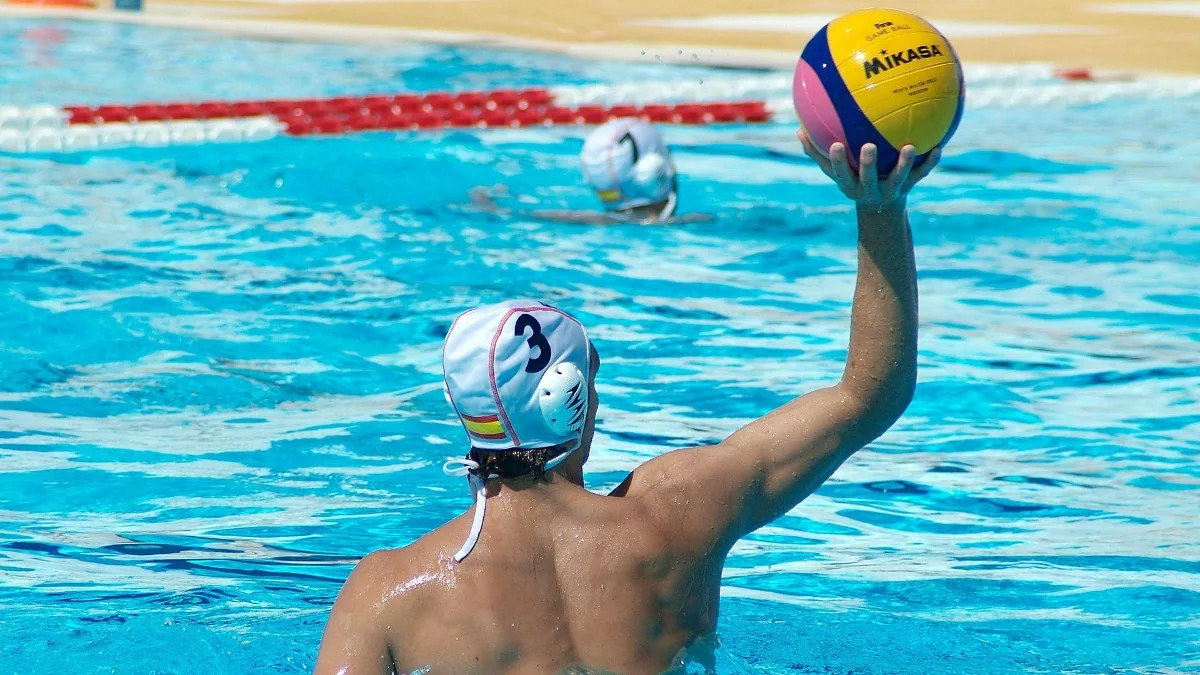
Junior water polo combines swimming, ball skills and game understanding, giving young people another way to develop in the water. The Thursday programme provides a weekly 90-minute training opportunity; the water-polo team confirms suitable arrangements for each player.
A useful project starts with the young people it should benefit and the opportunity it will provide. Together, we can agree an activity, an itemised budget and proportionate ways to understand what happened.
The needYour support could fundHow we could measure progress
The need01
A regular place to train
→Your support could fund
Coached pool time or agreed participation costs
→How we could measure progress
Session hours, places and continued participation
What a project could involve for A regular place to train
An itemised budget would set out the coached activity, available places and intended participants. Attendance and follow-up would help show how the opportunity was used. Any contribution towards family costs would need a separately agreed, confidential arrangement.
The need02
More ways to develop skills
→Your support could fund
Shared swimming and water-polo equipment
→How we could measure progress
Equipment used and coach-assessed progress
What a project could involve for More ways to develop skills
Start with the skills athletes need to practise, then choose equipment that coaches can use in the programme. A project could record how the equipment was used and review relevant skills through coach assessment, without promising identical progress for every athlete.
The need03
A clear next step
→Your support could fund
Outreach, introductions and appropriate referrals
→How we could measure progress
Assessed starts and participation at follow-up
What a project could involve for A clear next step
Families and local partners could help identify barriers and shape suitable introductions to the club. Coaches would assess readiness, with lesson referrals where more preparation is needed. Agreed follow-up could show who started and who continued taking part.
The need04
People who can make it happen
→Your support could fund
Training for coaches and club volunteers
→How we could measure progress
Training completed and suitable programme cover
What a project could involve for People who can make it happen
Agree the roles and programme cover needed, then identify appropriate development for coaches and volunteers. Training, supervision and safeguarding requirements would form part of the plan, alongside evidence that the agreed training was completed.
These are possible projects to develop together. Before work begins, we would agree the starting point, budget and measures; the examples do not describe results already achieved.
Why Mako’s
Build on a club with deep local roots.
The club’s history, existing resources and examples of outside support provide a starting point for a partnership. Each funded project would still need its own agreed purpose, budget and evidence.
01
Established in 1974
Generations of local sport
Since 1974, Fleetwood families, coaches and volunteers have helped successive generations take part in swimming and water polo. The club’s history includes national age-group success and international athletes, alongside the everyday work of helping young people develop.
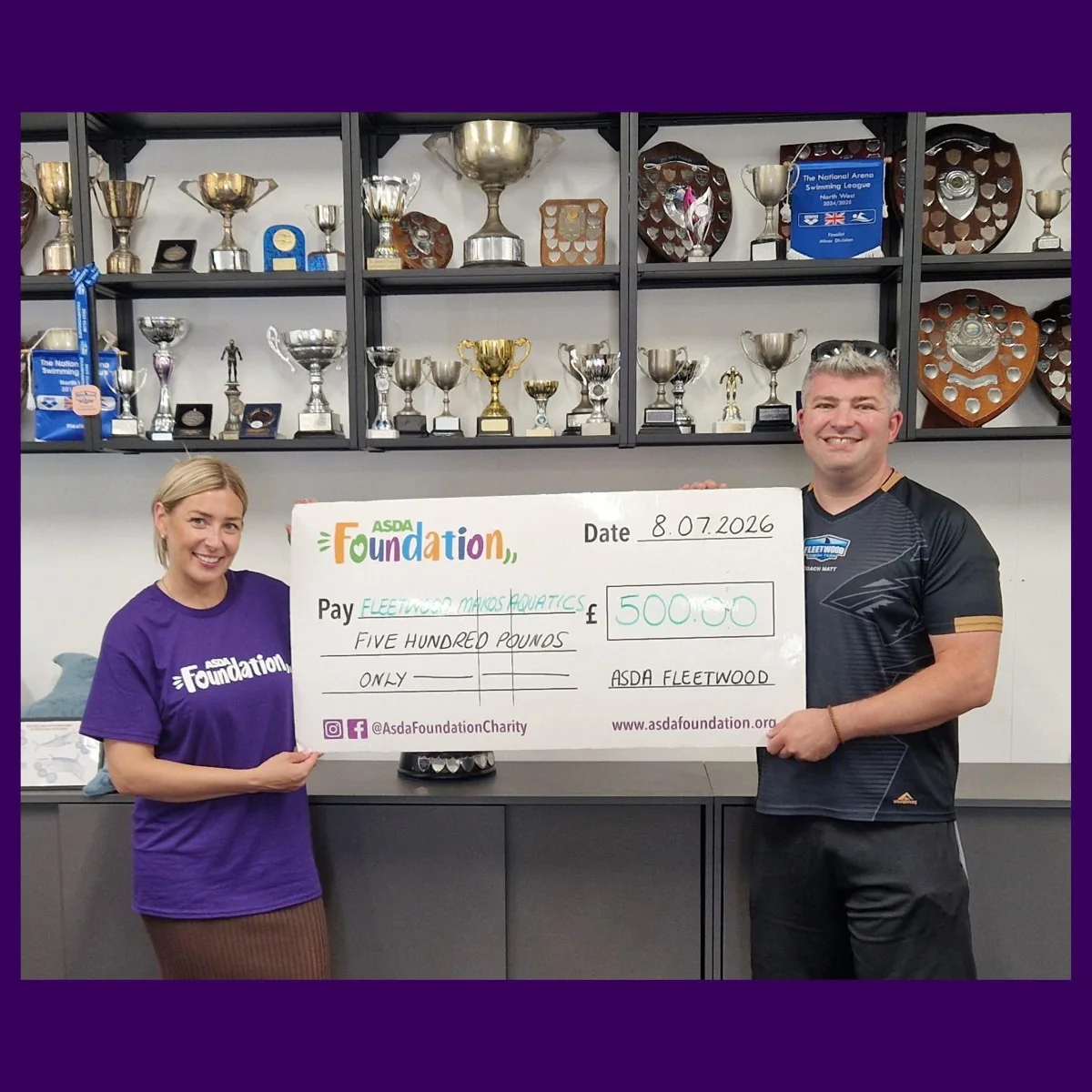
In July 2026, the Asda Foundation contributed £500 towards new Mako Clubhouse training equipment. It is a specific example of external support adding to the resources athletes can use away from the pool.
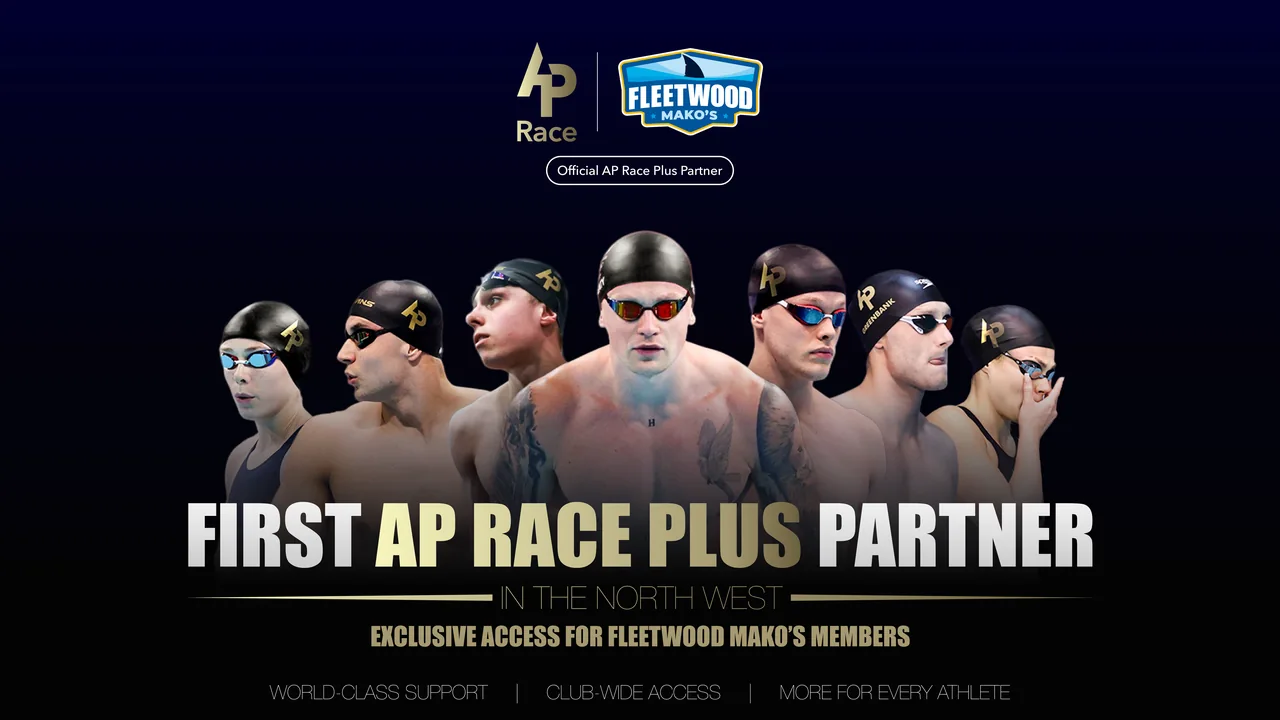
AP Race Plus access is included in every athlete’s membership, providing swimming, training and parent resources between club sessions. It complements the coached programme and gives families another way to engage with athlete development.
Membership income supports the club programme. Fundraising and external support help develop equipment, pool access, training and further opportunities, with money raised by the charity reinvested in the club and its athletes.
For a grant or partnership, the proposal should make clear what your contribution would fund and how it fits alongside other club income.
What a funding proposal would cover
We would agree the activity, intended participants, itemised budget, other income and responsibilities for delivery before making a commitment. This gives both the club and its supporters a clear basis for deciding whether the project fits their aims.
Pool time and training
Equipment and athlete development
People, volunteering and community outreach
Care, governance and evidence
Know who is responsible and what you can review.
Safeguarding, charitable governance and proportionate reporting belong in the planning of any supported activity. These routes help you understand the club and the arrangements a project would need.
Young people’s welfare
Named Welfare Officers provide club contact routes for safeguarding concerns. The safeguarding page also links to Swim England’s current Wavepower guidance and independent reporting routes, so families and partners know where to seek help.
The club is a registered association CIO, with trustees responsible for its charitable purpose and resources. Use the Charity Commission record to review official governing information and the current reporting position.
Agree a starting point, targets and reporting approach that fit the activity. Reporting could distinguish individual young people reached from repeat session attendances, then consider continued participation, relevant skills and participant feedback.
Grant makers, businesses and community partners
Tell us what your organisation wants to support.
A grant could support a defined programme or resource. A business could contribute funding, equipment, specialist skills or volunteer time. Community organisations can help the club understand local barriers and reach families who may benefit.
Start with the people or opportunity you want to support, any funding criteria and the timescale you have in mind. That gives us a useful basis for exploring a project together.
Before a project goes ahead
We would agree the scope, budget, responsibilities, timescale and reporting before making a commitment. Conversations can focus on access and participation, athlete development, or the practical resources needed to deliver an agreed activity.
Looking for a way to help as an individual?
Explore club fundraising and volunteering, including an example of grant support already received. You can bring an idea, offer practical skills or discuss the time you have available.
Email us with your organisation, the activity or young people you want to support, and any funding criteria or deadlines. Tell us what information you need to decide whether a partnership is right for you.